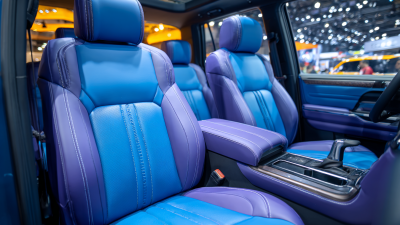
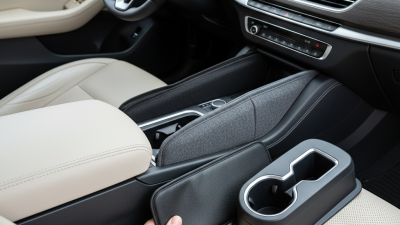
Choosing a Car Seat Gap Filler in 2026 requires more than comparing colors, prices, or online ratings. Global buyers need to examine vehicle compatibility, seat-belt access, material quality, cleaning, and installation stability. A filler should close an awkward space without blocking buckles, airbags, seat tracks, or child-restraint components. It should also remain firm when the vehicle brakes suddenly.
Dr. Benjamin Hoffman, a pediatrician and child passenger safety authority, has emphasized, “The safest car seat is the one that fits your child, fits your vehicle, and can be used correctly every time.” That principle also matters when selecting a Car Seat Gap Filler. A soft foam model may suit a family car with narrow gaps. A structured organizer may work better in a larger SUV. Silicone or waterproof fabrics can help in hot, rainy, or dusty regions.
Small details matter.
Some fillers slide during daily driving. Others create pressure around the buckle. A few look practical but become difficult to remove and clean. Buyers should measure the gap, inspect the buckle position, and test access before purchasing. Local vehicle designs differ. So do safety expectations and consumer regulations.
This guide compares the leading Car Seat Gap Filler types for international buyers. It considers real-world convenience, durability, storage, maintenance, and responsible installation. No filler can replace a certified child restraint or correct seat-belt use. Product descriptions can also be incomplete. That is worth remembering. A careful buyer checks the vehicle manual, manufacturer instructions, and local safety guidance before deciding.
2026 Top Car Seat Gap Filler Types for Global Buyers
Car seat gap fillers block the narrow space between a seat and the center console. They help stop coins, cards, and crumbs from disappearing underneath. The basic design usually combines a flexible body with a firm inner layer. Good products should stay in place during normal driving. They must not obstruct seat belts, seat movement, or airbag paths.
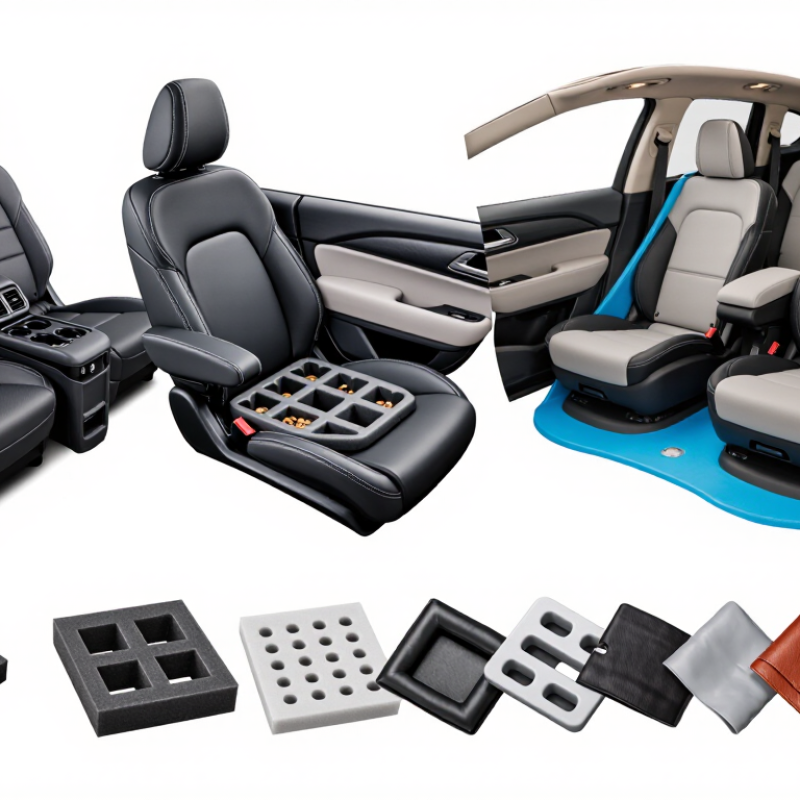
The main functional categories include simple blocking inserts, storage-style fillers, and seat-belt buckle organizers. Blocking inserts focus on closing the gap with minimal bulk. Storage fillers add small compartments for phones, cards, or parking tickets. Buckle organizers keep the belt receiver visible and easier to reach. Some adjustable models use compressible foam or sliding panels. Custom-fit versions follow specific seat shapes more closely.
Material choice matters for global buyers. Water-resistant fabric is useful in humid regions, while smooth surfaces clean faster after spills. Buyers should check seat width, console height, buckle position, and driving side. A universal fit is rarely perfect. I have seen fillers shift when thick seat covers change the gap. That detail deserves more attention. Look for clear measurements, stable stitching, non-slip backing, and safety guidance. Independent material testing and transparent return policies also improve purchasing confidence. Never choose appearance over unobstructed belt access.
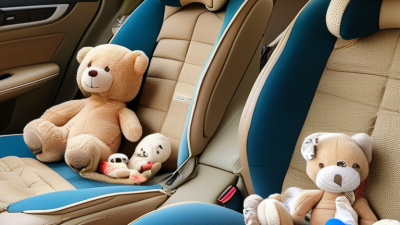
Popular gap filler designs should match the vehicle interior, not merely fill an empty space. In compact sedans, slim wedge fillers suit narrow seat gaps and leave room for seat adjustment. They work well with fabric upholstery because their textured surfaces reduce sliding. Leather interiors often benefit from smooth, flexible fillers that follow curved seat edges without pressing hard against the material. Measure twice. Small differences matter.
SUVs and family vehicles usually need wider drop-in designs, especially beside raised center consoles. Some include shallow storage for cards, cables, or parking receipts. In pickup trucks, reinforced bridge-style fillers can cover deeper gaps created by high seat cushions. They should remain stable during entry and exit. For electric vehicles, low-profile designs are useful around minimalist consoles and exposed charging areas. Avoid bulky shapes near control panels.
From practical fitting tests, adjustable fillers suit mixed vehicle fleets because their side panels can adapt to different widths. However, “universal” does not mean perfect. A filler must not obstruct seat rails, seat-belt buckles, or airbag deployment zones. Check heat resistance before use in hot climates, and inspect stitching after repeated cleaning. I have found that softer foam feels comfortable, but it may lose shape sooner. Firmer materials last longer, though some passengers may find them less forgiving.
2026 Top Car Seat Gap Filler Types for Global Buyers
Materials, Construction, and Safety Features to Compare
Car seat gap fillers vary widely in material quality. Soft neoprene feels comfortable and resists small spills. TPE or silicone offers better shape retention in hot interiors. Fabric-covered foam feels gentle, but it may absorb moisture and odors. Buyers should check temperature resistance, cleaning instructions, and possible skin-contact concerns. A filler should remain stable without becoming brittle.
Construction matters more than appearance. A well-designed model uses a firm base, reinforced seams, and a flexible edge. It should fit the seat contour without lifting the upholstery. Storage pockets can be useful, but bulky compartments may restrict seat movement. The opening around the seat belt buckle must stay clear. Never choose a filler that blocks buckle access, affects seat adjustment, or interferes with side airbags. Gap fillers are organizers, not child restraints.
Tips: Measure the gap at several points before ordering. Test the filler with the seat fully forward and backward. Check whether it slides during braking. Press around the seat belt housing by hand. If the buckle feels tight, remove the product. A washable cover helps with dust and spilled drinks, yet cleaning alone does not prove long-term safety. Some sellers provide impressive material claims without meaningful test details. Treat vague wording carefully. No design suits every vehicle, and real-world fitting may expose problems that product photos hide.
Materials, construction, and safety features comparison
The 1–5 comparison index reflects typical material and construction characteristics: spill resistance, cleanability, shape retention, cushioning, installation stability, seat-belt access, and compatibility with seat adjustment. Actual performance depends on product dimensions, vehicle design, installation quality, and validated safety testing. Gap fillers should never obstruct seat belts, buckle receivers, seat-mounted airbags, or normal seat movement.
2026 Top Car Seat Gap Filler Types for Global Buyers
Choosing a car seat gap filler for global markets requires more than matching colors. Buyers should compare rigid console bridges, soft foam fillers, mesh organizers, and foldable designs. Each type serves different vehicles, climates, and customer habits.
WHO’s Global Status Report on Road Safety 2023 records about 1.19 million annual road deaths worldwide. This underlines the need for products that never obstruct seat belts or buckles. NHTSA’s child restraint misuse research also found frequent installation errors. A gap filler must not be presented as a safety device. It should remain stable, easy to remove, and clearly separated from child restraint functions. Global buyers should check left-hand and right-hand-drive compatibility, seat-gap width, heat resistance, cleaning requirements, and packaging language. UNECE Regulation No. 129 concerns child restraint systems, not ordinary gap fillers. This distinction matters.
Tips: Ask suppliers for measured fit samples, material test records, and buckle-clearance photos. Test leather, fabric, and synthetic seats. Humid markets need washable, quick-drying surfaces. Cold regions may need flexible materials that resist cracking. Soft fillers feel comfortable, but they can collapse. Rigid designs look stronger, yet they may fit fewer vehicles. I have seen “universal” products fail this simple test. Measure before scaling.
| Gap Filler Type | Typical Construction | Typical Gap Coverage | Main Advantages | Main Limitations | Best Climate / Market Fit | Installation Method | Recommended Buyer Profile |
|---|---|---|---|---|---|---|---|
| Foam Wedge Filler | Molded or compressed polyurethane foam, usually covered with fabric or synthetic leather. | Approximately 2–5 cm, depending on the wedge profile. | Lightweight, economical, easy to trim or position, and comfortable for daily use. | Can compress over time; exposed foam may absorb moisture and odors. | Dry and temperate markets; suitable for value-focused retail channels. | Slides between the seat and center console; some designs use a retaining strap. | Budget-conscious consumers, private-label importers, and high-volume online sellers. |
| Rigid Plastic Storage Box | Injection-molded ABS or polypropylene shell with a hinged or open storage compartment. | Approximately 3–6 cm, with shape-specific side support. | Strong structure, easy to wipe clean, and provides useful storage for small items. | May not fit irregular console shapes; hard edges can create comfort concerns if poorly designed. | Hot, dusty, or humid markets where wipe-clean surfaces are preferred. | Press-fit installation or attachment to the seat rail area; no drilling should be required. | Family-car users, practical commuters, and buyers prioritizing organization. |
| Flexible Fabric Pocket | Polyester, nylon, or mesh fabric with elastic panels and one or more storage pockets. | Approximately 2–8 cm because the sides can flex with the gap. | Adaptable fit, low shipping weight, foldable packaging, and convenient storage. | Less effective for preventing very small objects from falling through; fabric may stain. | Global markets, especially where low parcel volume and compact packaging are important. | Wraparound elastic, seat-belt-area strap, or seat-rail strap. | Cross-border e-commerce sellers and buyers needing broad vehicle compatibility. |
| Memory-Foam Cushion | Viscoelastic polyurethane foam with a removable textile or synthetic-leather cover. | Approximately 3–7 cm, with variable compression under load. | Soft touch, improved visual integration with the vehicle interior, and good noise reduction. | Can become softer in high heat and firmer in cold conditions; generally costs more than basic foam. | Comfort-oriented markets and moderate climates; use heat-stable cover materials in hot regions. | Push-fit placement, often supported by anti-slip backing or a retaining strap. | Premium aftermarket buyers and customers seeking a more comfortable interior finish. |
| Silicone or TPE Flexible Tray | Flexible thermoplastic elastomer or silicone-style molded tray with raised edges. | Approximately 2–5 cm, depending on the tray width and sidewall height. | Water-resistant, washable, non-slip, and suitable for containing small spills. | Material odor and surface dust can be concerns; a rigid vehicle-specific shape may be needed for stability. | Humid, rainy, coastal, and family-oriented markets. | Press-fit placement, usually with a textured underside to reduce movement. | Drivers who prioritize easy cleaning, spill resistance, and everyday practicality. |
| Universal Mesh Organizer | Breathable polyester mesh combined with elastic binding and adjustable straps. | Approximately 3–10 cm because of its highly flexible structure. | Very lightweight, compact for international shipping, and compatible with many interior layouts. | Lower spill protection and less rigid support; mesh can snag or stretch with heavy objects. | Emerging markets and e-commerce channels where shipping efficiency and universal fit matter. | Adjustable straps secured around the seat base or seat rail, subject to vehicle clearance. | Value retailers, travel-accessory distributors, and buyers requiring broad applicability. |
| Vehicle-Specific Molded Filler | Precisely molded plastic, rubber, or composite part designed around a defined seat and console geometry. | Usually 2–6 cm, optimized for the target vehicle interior. | Best appearance and stability when correctly matched; often offers integrated storage or cable access. | Limited compatibility, more tooling and inventory requirements, and higher development cost. | Mature automotive markets with strong demand for model-specific accessories. | Vehicle-specific press fit, clip, or seat-rail attachment; installation must not obstruct seat movement. | Specialty automotive retailers and buyers willing to verify vehicle model and production year. |
| Recycled-Content Felt Organizer | Pressed polyester felt, often made partly from post-consumer recycled fibers, with stitched compartments. | Approximately 2–6 cm, depending on the folded side panels. | Quiet against interior trim, lightweight, visually distinctive, and suitable for sustainability-led product lines. | Absorbs moisture more readily than plastic or TPE; requires credible material and recycled-content documentation. | Markets with strong interest in recycled materials and responsible packaging. | Slip fit or elastic strap; removable construction is preferred for cleaning. | Sustainability-focused retailers, lifestyle stores, and environmentally conscious consumers. |
| Convertible Filler with Cable Pass-Through | Rigid or semi-rigid body with a storage cavity, flexible side support, and an opening for charging cables. | Approximately 3–7 cm, depending on the cavity and side-support design. | Combines gap coverage, storage, and charging convenience for modern vehicle interiors. | More components and potential fit issues; cable routing must not interfere with seat adjustment or airbags. | Connected-car markets and urban markets with high smartphone use. | Press fit or strap installation with a clearly defined cable route. | Technology-oriented consumers and premium accessory distributors. |
For global buyers, a car seat gap filler must support safe access, not simply close a visible space. NHTSA child passenger safety data reports that nearly half of car seats are installed incorrectly. A filler can worsen this problem when it presses against the seat belt buckle or changes the child’s contact with the vehicle seat. Check the vehicle manual and child seat instructions first. ISOFIX, LATCH, and seat-belt installations may require different clearances.
Installation should leave buckles easy to release and anchors fully accessible. The filler should not cover lower anchors, block a seat belt path, or interfere with side airbags. UNECE Regulation No. 129 emphasizes correct child restraint fit and vehicle compatibility. Yet, compatibility charts are not always complete. A product listed as “universal” may still fit poorly around a narrow buckle. That is worth questioning.
Tips: Measure the gap before buying. Test the filler with an empty seat, then with the child seat installed. Press the seat firmly and check for movement. Inspect stitching, foam compression, and trapped crumbs each month. Clean with mild soap, not harsh solvents. Replace damaged material promptly. I have found that a tidy filler can hide a loose installation, so visual neatness is not proof of safety. Temperature changes also matter; hardened foam or peeling fabric deserves attention. Keep the buckle visible.