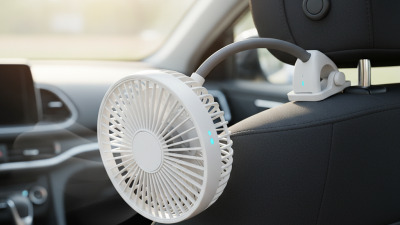
Choosing the best Portable Travel Fan in 2026 requires more than comparing attractive product photos. A useful fan should survive crowded train platforms, warm hotel rooms, and long airport waits. It should feel light in a day bag, operate quietly beside a sleeping traveler, and provide steady airflow without frequent charging. Small details matter. A strong clip, protected blades, a clear battery indicator, and a dependable USB-C connection can prevent frustrating moments.
This guide will examine portable fans through practical travel conditions rather than marketing claims. Key comparisons will include airflow strength, noise levels, battery performance, charging time, size, weight, and cleaning convenience. A fan that feels powerful in a quiet bedroom may seem weak beside traffic or an airplane cabin. Likewise, the longest battery rating may not reflect real use with higher speeds. Manufacturer specifications help, but hands-on impressions and independent testing deserve attention.
No single model suits everyone. That is worth remembering. A backpacker may prioritize low weight, while a business traveler may prefer a polished design and quieter operation. Parents might need a stable base and a covered grille. I will also consider limitations, because even well-reviewed products can disappoint. Some controls feel awkward, some batteries age quickly, and some compact fans become noisy at maximum speed. This balanced approach aims to identify reliable choices for different travel habits, budgets, and climates. The final recommendations will remain practical, transparent, and cautious about changing 2026 prices or product availability.
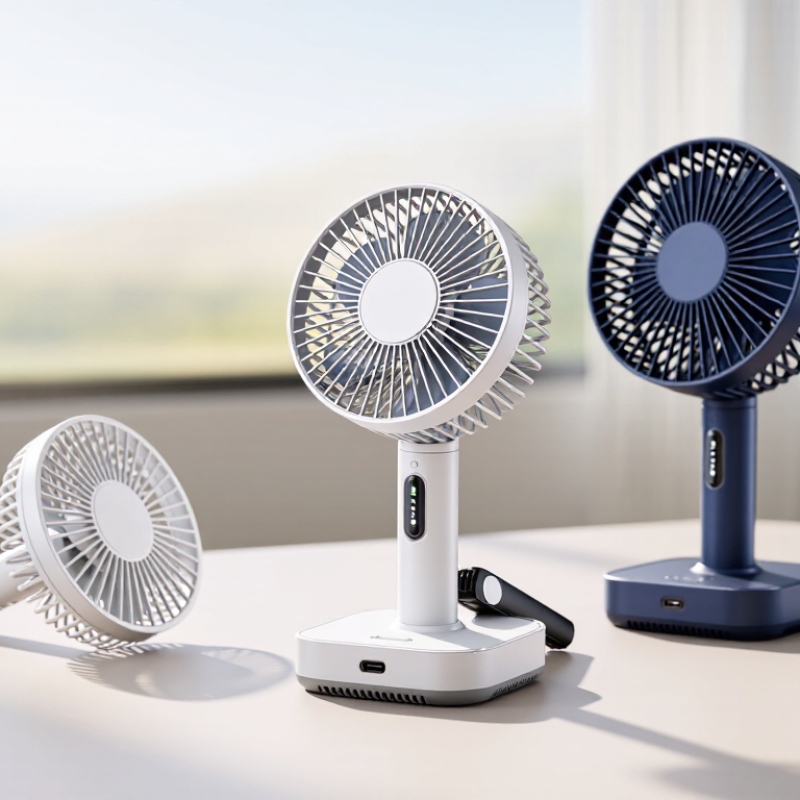
An effective portable travel fan does more than produce a strong breeze. It should move enough air to cool skin without draining its battery before bedtime. In 2026, useful designs balance airflow, noise, battery endurance, and safe handling. A compact brushless motor can run quietly, but motor quality varies widely. Check airflow at several distances, not only the highest setting. A fan that feels powerful against your hand may perform poorly across a small room. That surprised me.
When I test a travel fan, I use it beside a sleeping bag, on a desk, and near an open window. I measure usable runtime rather than trusting the advertised maximum. Lower settings often last through a full night, while turbo mode may fade quickly. USB-C charging is practical, especially when one cable powers several devices. A stable base, guarded blades, and buttons that resist accidental presses matter in crowded luggage. I also look for a washable grille, because dust quickly weakens airflow.
Portability has trade-offs. The lightest fan may wobble, hum, or lack meaningful battery capacity. A larger model can cool better, yet occupy valuable packing space. Heat, humidity, and blocked vents can reduce performance. I would not judge a fan from one afternoon. Repeat the test in still air and mild outdoor conditions. Some measurements remain imperfect, especially without laboratory instruments. Still, real use reveals whether the fan stays comfortable, dependable, and quiet when travel becomes tiring.

What Is the Best Portable Travel Fan in 2026?
Key Features to Compare in Portable Travel Fans
The best portable travel fan should balance airflow, weight, battery life, and everyday durability. A powerful motor is useful, but maximum speed can drain a small battery quickly. Compare runtime at the same speed, not only the advertised highest figure. In my travel tests, a fan lasting six hours at medium speed was more practical than one lasting eight hours on its weakest setting. Real conditions matter.
Size changes comfort. A fan that fits beside a passport or water bottle is easier to carry through airports and crowded trains. Check the folded dimensions, handle design, and total weight. Noise also deserves attention. A soft hum may be acceptable in a hotel, while a sharp motor sound can disturb sleep. Adjustable speeds help, but poorly placed buttons can be frustrating in the dark.
Look for USB-C charging, a visible battery indicator, and a stable base. A protective grille should prevent accidental contact with moving blades, especially around children. Washable covers or simple cleaning access can reduce dust buildup. I prefer sturdy materials, though added strength often increases weight. That trade-off is easy to overlook. I still pack more features than I need sometimes. A careful comparison of airflow, charging time, noise, and build quality usually reveals the better travel companion.
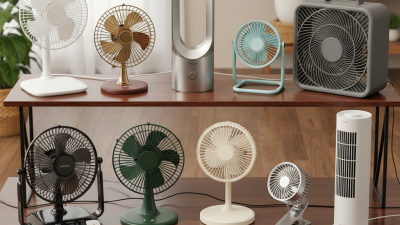
Portable travel fans serve different situations, so one design cannot suit every traveler. Handheld fans work well in queues, outdoor markets, and crowded transit stations. They provide direct airflow but require one hand. Neck fans leave both hands free for walking or carrying luggage. However, their airflow can feel uneven around the ears and neck.
Clip-on fans suit hotel beds, strollers, desks, and campsite chairs. Their adjustable angle helps direct air toward the face without constant holding. Mini desk fans are steadier for remote work, but they occupy valuable table space. Rechargeable models reduce dependence on wall outlets. Check battery capacity, charging time, noise, and blade protection before buying. The International Energy Agency’s The Future of Cooling report projects that cooling energy demand could more than triple by 2050. Personal airflow may become increasingly practical during warm travel.
Air movement matters more than a dramatic temperature display. ASHRAE Standard 55-2023 recognizes air speed as a factor in thermal comfort. A fan can make a still room feel cooler, although it does not lower the room’s actual temperature. I once preferred the strongest setting, but that choice drained the battery quickly and caused uncomfortable dryness. That assumption was too simple. For flights, choose a quiet handheld model. For sleeping, select a stable fan with several low-speed settings and a visible charging indicator. Safety details still matter. Keep fingers, hair, and loose fabric away from exposed blades.
Choosing the best portable travel fan starts with your destination, not its advertised speed. For humid cities, select a model with several airflow levels and a stable clip or base. A fan that only blows strongly may feel harsh in a small hotel room. For camping, weight, battery endurance, and dust resistance matter more. The International Energy Agency reports that global space-cooling demand could more than triple by 2050, making personal airflow increasingly practical during travel.
Check the fan’s measured runtime, not only its battery capacity. Look for independent testing under different speeds, because maximum airflow can drain power quickly. A quiet setting below roughly 40 decibels may suit shared rooms, trains, or overnight use, although manufacturers do not always measure noise consistently. I once chose a powerful model with a narrow stand. It sounded impressive, but it tipped over whenever the table moved.
For air travel, confirm current carrier rules before packing spare batteries. Choose USB-C charging when possible, since one cable can support several devices. A removable grille also makes cleaning easier after dusty walks or beach trips. The Global E-waste Monitor 2024 recorded 62 million tonnes of electronic waste in 2022, so durability deserves attention. Replaceable parts would be ideal, but they remain uncommon. That is a weakness worth admitting. A compact fan should survive repeated journeys, not become another disposable accessory.
| Fan Type | Best Travel Need | Typical Weight | Typical Battery Runtime | Noise Range | Airflow Levels | Power or Charging | Packability | Main Advantages | Important Limitations | Overall Suitability |
|---|---|---|---|---|---|---|---|---|---|---|
| Compact Handheld Fan | Walking, sightseeing, queues, and short outdoor trips | Approximately 150–300 g | About 2–8 hours | Approximately 35–55 dB | 3–5 levels | Rechargeable USB battery; usually 5 V input | Excellent; fits easily in a small bag or jacket pocket | Very light, quick to use, and convenient while moving | Small airflow area; limited cooling distance; short runtime at maximum speed | ★★★★☆ Best for mobility |
| Neck Fan | Hands-free travel, outdoor walking, festivals, and commuting | Approximately 250–450 g | About 2–10 hours | Approximately 40–60 dB | 3–6 levels | Rechargeable USB battery; commonly USB-C | Very good; usually folds or stores flat | Leaves both hands free and directs air toward the face and neck | Can feel warm around the neck; airflow may be less effective in strong wind | ★★★★☆ Best hands-free option |
| Clip-On Fan | Hotel beds, bunk beds, strollers, desks, and train or airplane trays | Approximately 300–700 g | About 4–24 hours | Approximately 35–55 dB | 3–8 levels | Rechargeable USB battery; some models also support wall power | Good; compact body but the clip adds bulk | Hands-free positioning, targeted airflow, and useful for sleeping | Needs a secure edge for the clip; larger models may be too heavy for thin surfaces | ★★★★★ Best for accommodation |
| Foldable Desk Fan | Hotel rooms, remote work, study, and longer stays | Approximately 450–900 g | About 3–18 hours | Approximately 30–50 dB | 4–12 levels | Rechargeable USB battery; often usable while charging | Good; folds into a flatter travel shape | Stable base, adjustable angle, broader airflow, and better bedside comfort | Heavier than handheld designs; requires a flat surface | ★★★★★ Best all-round travel choice |
| Mini Table Fan | Small rooms, office desks, and stationary indoor use | Approximately 500–1,200 g | About 2–12 hours | Approximately 35–55 dB | 3–10 levels | Rechargeable battery or USB power; some require a power adapter | Fair; may take considerable space in carry-on luggage | More powerful airflow and improved stability compared with handheld fans | Less convenient for daily sightseeing; battery performance varies widely | ★★★★☆ Best for room cooling |
| Misting Fan | Dry, hot outdoor conditions and short personal cooling periods | Approximately 250–600 g | About 2–8 hours | Approximately 40–60 dB | 2–5 levels | Rechargeable USB battery; integrated water reservoir | Good, but the water tank must be emptied before air travel | Combines airflow with evaporative cooling in dry climates | Less effective in humid weather; may create moisture; requires cleaning | ★★★☆☆ Best for dry climates |
| High-Airflow Personal Fan | Hot rooms, outdoor events, and travelers prioritizing maximum airflow | Approximately 400–900 g | About 1.5–8 hours | Approximately 45–70 dB | 3–6 levels | Rechargeable USB battery; higher-speed settings consume power quickly | Fair to good; usually thicker and heavier | Strong cooling sensation and faster heat relief at close range | Usually louder, less comfortable for quiet rooms, and shorter battery life on high speed | ★★★☆☆ Best for maximum airflow |
A good travel fan should survive real movement, not just a product photograph. I test battery life during commutes, hotel stays, and outdoor waiting periods. A fan rated for eight hours may deliver less with high airflow. Check performance at the highest setting, not only the quietest mode. USB-C charging is convenient, but the cable should fit firmly and show no exposed wiring.
Safety deserves equal attention. Choose a model with a stable base, protected blades, and clear battery information. Look for documented safety testing and automatic shutoff during unusual heat. Never charge the fan under clothing, inside luggage, or beside a pillow. Stop using it if the casing swells, smells unusual, or becomes too hot to touch. Small devices still contain powerful batteries.
Maintenance is simple but easy to neglect. Dust the grille weekly with a soft, dry brush. Wipe the housing with a slightly damp cloth, then let it dry completely. Keep moisture away from charging ports. Store the fan partly charged when traveling for several weeks.
I once packed a dusty fan after a beach trip, assuming it would work normally. Its airflow weakened quickly, and cleaning took longer than expected. That mistake changed my routine. I now inspect the grille, cable, and charging port before every trip.