Shantou Chenghai Yate Auto Accessories Factory

Leave Your Message

What Is a Car Garbage Can and Which Type Is Best?

A Car Garbage Can is more than a small container beside the driver’s seat. It manages wrappers, receipts, tissues, and drink-related waste during ordinary journeys. The right design can reduce cabin clutter and prevent spills beneath floor mats. Small details matter.

The U.S. Environmental Protection Agency reported 292.4 million tons of municipal solid waste generated in 2018. That equals about 4.9 pounds per person each day. Keep America Beautiful’s 2020 National Litter Study also estimated nearly 50 billion litter items on American roadways. These figures do not measure car-bin sales directly. However, they show why convenient waste storage deserves practical attention. A container that is difficult to reach may encourage temporary storage in door pockets. That solution usually becomes messy.

Circular-economy expert Annie Leonard offers a useful warning: “There is no such thing as ‘away.’” Her point applies inside vehicles. Waste does not disappear when it leaves the dashboard. It moves into a bin, a household bag, or the roadside environment. This guide compares hanging, console, seat-back, collapsible, and leak-resistant designs. It examines capacity, opening style, liner compatibility, cleaning, and passenger safety. A waterproof lining may seem essential, yet it can trap odors without regular washing. A compact model may save space, but it may overflow on family trips. No single type wins every cabin. The best choice depends on passengers, driving frequency, and waste habits. My own first preference might be a hanging, leak-resistant model, but that judgment needs testing. Real users often value easy removal over appearance. That is where product descriptions can disappoint.
What Is a Car Garbage Can and Which Type Is Best?

Definition and Purpose of a Car Garbage Can

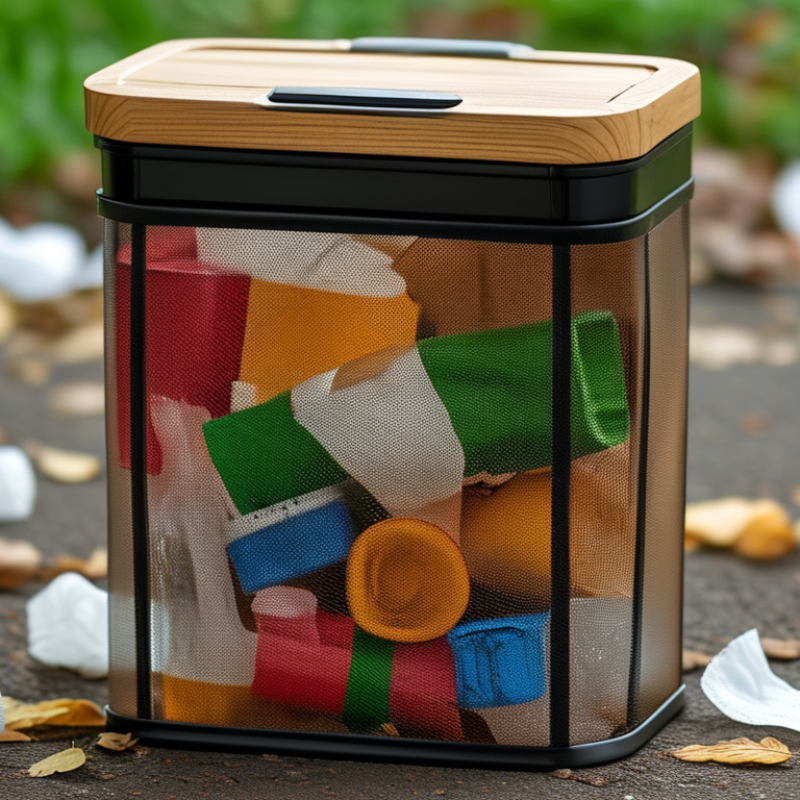
A car garbage can is a compact container designed to hold everyday vehicle waste.

Its purpose is simple: keep wrappers, tissues, receipts, and empty cups contained until proper disposal. Unlike a loose plastic bag, it can stay upright during braking and turning.

The U.S. Environmental Protection Agency’s 2018 Municipal Solid Waste Facts and Figures report estimated 4.9 pounds of waste per person daily. Not all of it comes from vehicles, but the figure shows why small, controlled storage matters.

The best type depends on the vehicle and the driver’s habits.

A hanging model suits regular commuting because it uses little cabin space. A console-sized container works better for solo drivers. Families may prefer a rigid, leak-resistant design with a wide opening.

That shape makes it easier to insert a napkin without touching the lid. A washable liner also helps with coffee drops and melting ice.

Small details matter.

In practical use, placement is critical.

The container should remain reachable but never block pedals, visibility, or safety equipment. It should also be emptied frequently. It is not a perfect fix.

A full container can smell, tip, or distract the driver. The National Highway Traffic Safety Administration reported 3,308 U.S. traffic deaths involving distracted driving in 2022.

That statistic does not directly measure car garbage cans, but it supports a cautious rule: waste storage should reduce cabin clutter, not create another task while moving.

Common Types of Car Garbage Cans

A car garbage can is a small container designed to control wrappers, receipts, tissues, and other daily rubbish inside a vehicle. Common types include hanging bins, cup-holder bins, seat-back bins, and collapsible bags. Each style suits a different driving routine.

Hanging bins attach to a door pocket, console, or gear area. They offer useful capacity but may swing during sharp turns.

Cup-holder bins stay upright and work well for small waste. However, they can occupy a space needed for drinks.

Seat-back bins suit families because passengers can reach them easily.

Collapsible bags save room when empty, though their soft sides may fold inward during use.

Waterproof lining is valuable when a damp tissue or leaky container appears.

Not perfect, but practical.

Tips: Choose a washable interior and a secure lid. Measure the available space before buying. A container should not block pedals, controls, mirrors, or emergency access. Empty it often, especially in warm weather, because food residue can create strong odors quickly. Test the attachment points on a short trip. A loose bin becomes a distraction. Reflect on your habits, too. If passengers produce most of the waste, a seat-back model may work better than a driver-side container. If you drive alone, a compact cup-holder design might be enough.

Key Features to Compare Before Buying

A car garbage can is a compact container for wrappers, tissues, receipts, and other everyday rubbish. It usually hangs from a headrest, fits a cup holder, or attaches beside the center console. The best type depends on your passengers, driving routine, and available space. A family vehicle may need a larger, seat-back model. A solo commuter may prefer a small console bin.

Key features deserve closer comparison.

Start with capacity and opening size. A narrow opening can make disposal awkward, especially with bulky food packaging. A waterproof liner helps contain leaks from drink cups or wet wipes. A firm lid controls odors, but it should open with one hand. Check the mounting system carefully. It must stay stable during braking without blocking pedals, gear controls, visibility, or airbags. Removable liners also matter because cleaning a stained container is unpleasant.

The U.S. Environmental Protection Agency reported 292.4 million tons of municipal solid waste in 2018, showing why small disposal habits still matter.

Keep America Beautiful’s 2020 National Litter Study estimated about 50 billion litter items on U.S. roadways.

Tips:

Choose washable materials, reinforced straps, and a wide base. Test the fit before buying. No bin is perfect. A larger container may invite overfilling, while a tiny one needs frequent emptying. I would also avoid designs with loose lids; they often become noisy on rough roads. Keep the bin within easy reach, but never where it could interfere with safe driving.

How to Choose the Best Car Garbage Can

A car garbage can is a compact container for wrappers, receipts, tissues, and other daily waste. It helps keep seats and door pockets clear. Choosing the right type depends on your car, passengers, and cleaning habits. Start with capacity. A small sedan may need a two to four liter bin. Families often need more space. A large container can block legroom. Too bulky.

Look for a leak-resistant inner lining, especially if passengers carry drink cups or damp tissues. Removable liners make washing easier. Rigid plastic holds its shape, while soft fabric folds for storage. Fabric can look neat, but it may absorb odors when spills are ignored. I once underestimated this problem. A washable, waterproof layer is usually more practical.

The attachment method matters during daily driving. A seat-back strap suits family vehicles, while a center-console hook works better in smaller cars. Door-mounted bins can interfere with bottle storage. Check whether the container stays closed during turns and sudden stops. It should never obstruct pedals, gear controls, airbags, or the driver’s view. A wide opening helps children use it, but a secure lid controls loose waste. Before buying, measure the installation area and check access from every seat. Many people skip this step. That mistake can make a useful bin annoying to use.

Proper Installation, Use, and Maintenance

A car garbage can is a compact container for wrappers, tissues, and other everyday rubbish. The best type usually has a leak-resistant lining, a secure lid, and adjustable straps. A soft, collapsible model fits narrow spaces, while a rigid container stays upright during sudden stops. Choose one that does not block pedals, visibility, seat belts, or airbag areas. Your vehicle manual should guide the safest placement.

Install it firmly beside the center console or behind a seat. The opening should remain easy to reach without distracting the driver. Use a removable liner, but avoid overfilling it. Sharp objects can tear thin bags and create hidden leaks. Keep liquids in sealed bottles instead. A tidy setup can still fail if the container slides under a seat. I once overlooked that risk in a cramped rear footwell.

Tips: Test the container before driving. Add a small absorbent pad at the bottom. Empty wet waste promptly. Wipe the interior weekly with mild soap and water, then dry it fully. Check straps, clips, and stitching for damage. Replace them when they loosen. Strong fragrances may mask odors rather than remove them. For persistent smells, wash the liner area and improve ventilation. Maintenance seems minor, but neglected moisture can stain upholstery and encourage mold.

What Is a Car Garbage Can and Which Type Is Best?

A car garbage can is a compact, leak-resistant container designed to hold everyday vehicle waste. The chart compares typical capacity ranges by installation style; the best choice depends on available space, passenger use, and ease of cleaning.

Practical guidance: Hanging bins suit frequent access, console bins work well for front-seat use, seat-back bins offer the largest passenger capacity, and door-pocket bins are best for light waste. Secure the container so it cannot interfere with pedals, airbags, seat movement, or visibility. Use a leak-resistant liner, empty it regularly, and wipe the interior with mild soap and water.